

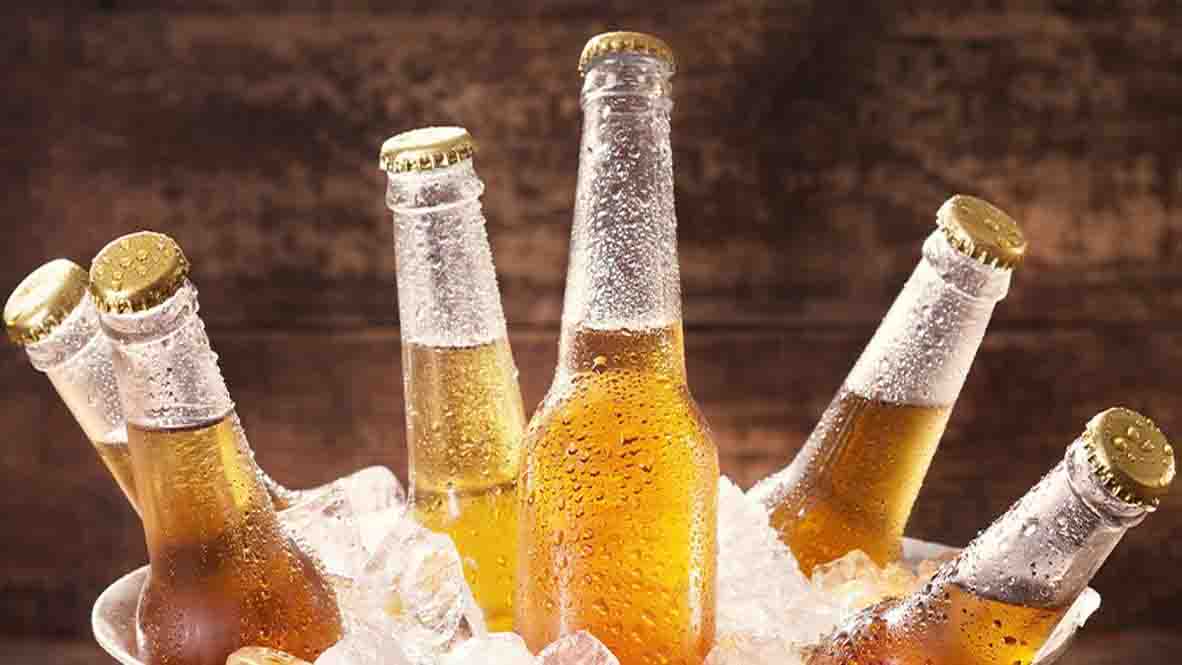
What temperature is ideal for drinking beer? While personal taste always plays a part, brewing science shows that serving temperature has a dramatic impact on carbonation, aroma release, bitterness, and mouthfeel. Serve a complex craft ale too cold and you mute its hop aromatics; serve a crisp pilsner too warm and it tastes flat and overly sweet.
Generally speaking, bottom-fermented lagers and pilsners thrive at ice-cold temperatures (2°C–5°C), while top-fermented pale ales, IPAs, bitters, and stouts open up their full flavour profile at slightly warmer temperatures (6°C–14°C). Below is our complete UK guide to beer serving temperatures and how to choose the right Subcold beer fridge for your collection.
Beer Serving Temperature Chart by Style
| Beer / Cider Style | Ideal Temperature (°C) | Ideal Temperature (°F) | Recommended Subcold Beer Fridge |
|---|---|---|---|
| Extra-Cold Draught-Style Lagers & Light Pilsners | 0°C – 4°C | 32°F – 39°F | Apex70 / Apex95 (-6–18°C), Cave50 Solid (0–8°C), Super85 (0–18°C) |
| Premium Pilsners, Helles, Wheat Beers & Crisp Ciders | 4°C – 7°C | 39°F – 45°F | Super50 LED (3–18°C), Cave50-G (3–15°C), Ace90 (3–18°C) |
| Craft Pale Ales, IPAs & Session IPAs | 6°C – 9°C | 43°F – 48°F | Super65 LED (3–18°C), Cave60-G (3–15°C) |
| Red Ales, Amber Ales & Belgian Dubbels | 8°C – 11°C | 46°F – 52°F | Ace65 / Ace100 Touch Control (3–18°C) |
| Traditional English Bitters, Brown Ales & Porters | 11°C – 13°C | 52°F – 55°F | Super115 LED (0–18°C) or Integra30 (3–18°C) |
| Imperial Stouts, Strong Belgian Ales & Barleywine | 13°C – 16°C | 55°F – 61°F | Any Subcold digital thermostat beer or wine cooler set to 14°C |
Why Temperature Matters for Every Beer Style
1. Mainstream Lagers & Pale Pilsners (0°C – 4°C)
Light, crisp lagers are brewed for clean refreshment rather than heavy malt complexity. Storing them in a dedicated beer fridge between 0°C and 4°C keeps carbonation tight and delivers a sharp, thirst-quenching finish. Be careful never to let standard cans drop below -2°C for prolonged periods, as freezing causes beer to expand and lose its fizz.
2. Craft IPAs, Pale Ales & Ciders (4°C – 8°C)
Craft brewery pale ales, hazy IPAs, and dry ciders are packed with volatile hop oils and fruit esters. Serving them between 4°C and 8°C keeps them refreshingly cold while allowing citrus, pine, and tropical fruit aromas to shine through.
3. Red Ales, Amber Ales & Belgian Styles (8°C – 11°C)
Caramel and toasted malt notes come alive when the chill is slightly dialled back. Storing amber and red ales at 8°C to 11°C balances malt sweetness with hop bitterness so the beer never tastes thin or muted.
4. English Bitters, Porters & Imperial Stouts (11°C – 16°C)
Traditional cask-style bitters, porters, and rich stouts feature complex roasted coffee, dark chocolate, and caramel notes. While room temperature in a centrally heated modern home (20°C–22°C) is too warm, a beer fridge with a wide thermostat range set to 12°C–15°C replicates a traditional cool pub cellar.
How Subcold Beer Fridges Deliver the Exact Temperature You Need
Unlike a household kitchen fridge that is fixed at 4°C for raw food and milk, Subcold’s compressor display glass door and solid door beer fridges let you tailor the exact temperature to what you drink:
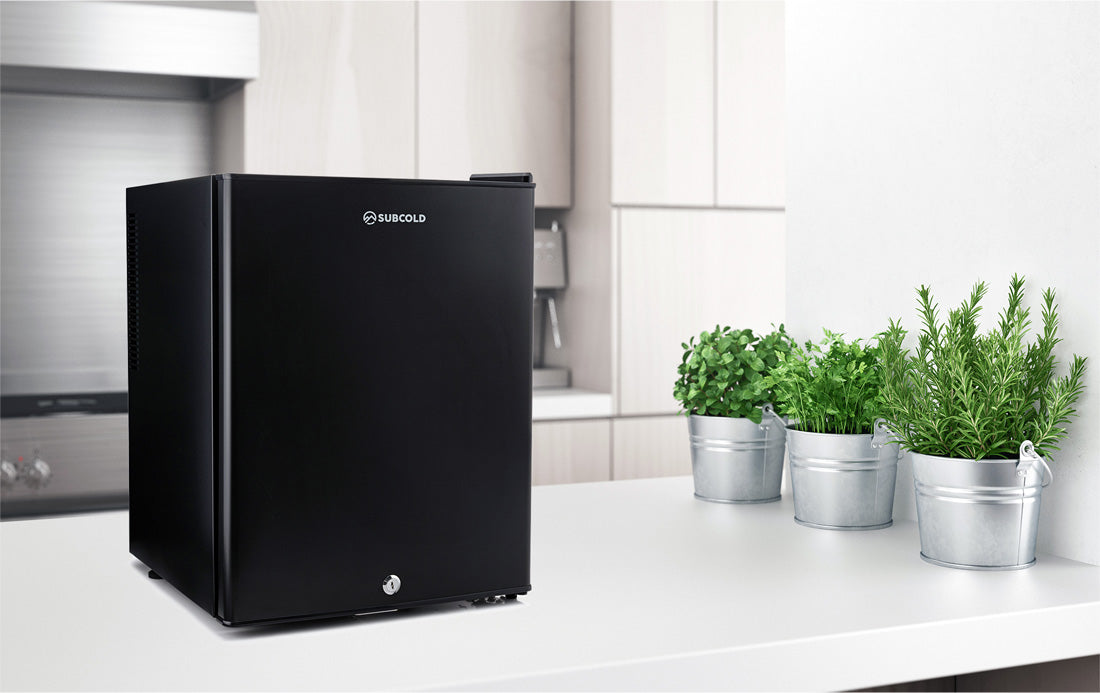
- Subcold Super35, Super50 & Super65 LED (3°C–18°C) and Super85 & Super115 LED (0°C–18°C Digital): Our bestselling glass-door beer fridges with internal LED lighting, adjustable chrome wire shelves, reversible doors, and a built-in security lock and key.
- Subcold Cave35, Cave50, Cave60 & Cave90: Available with solid doors (0°C–8°C with built-in door can dispensers) or dual-glazed glass doors (Cave50-G & Cave60-G at 3°C–15°C).
- Subcold Ace65, Ace90, Ace100 & Ace130 (3°C–18°C): Digital touch-control glass-door beer fridges with fan-assisted auto-defrost cooling and both flat and wine shelves.
- Subcold Apex70 & Apex95 Sub-Zero (-6°C to 18°C): Oversized compressor beer fridges independently tested safe for winter garages, outbuildings, and IPX4 covered outdoor bars.
Still need help? Check the FAQs, download your user manual or contact Subcold customer support.
More tips & advice
- Skincare Fridge Guide: Which Cosmetics Belong in a Beauty Fridge (and Which Don’t)?
- How to Hibernate a Tortoise in a Fridge: Complete UK Guide & Best Subcold Models
- What is the best fridge setting for beer?

Leave a comment
This site is protected by hCaptcha and the hCaptcha Privacy Policy and Terms of Service apply.